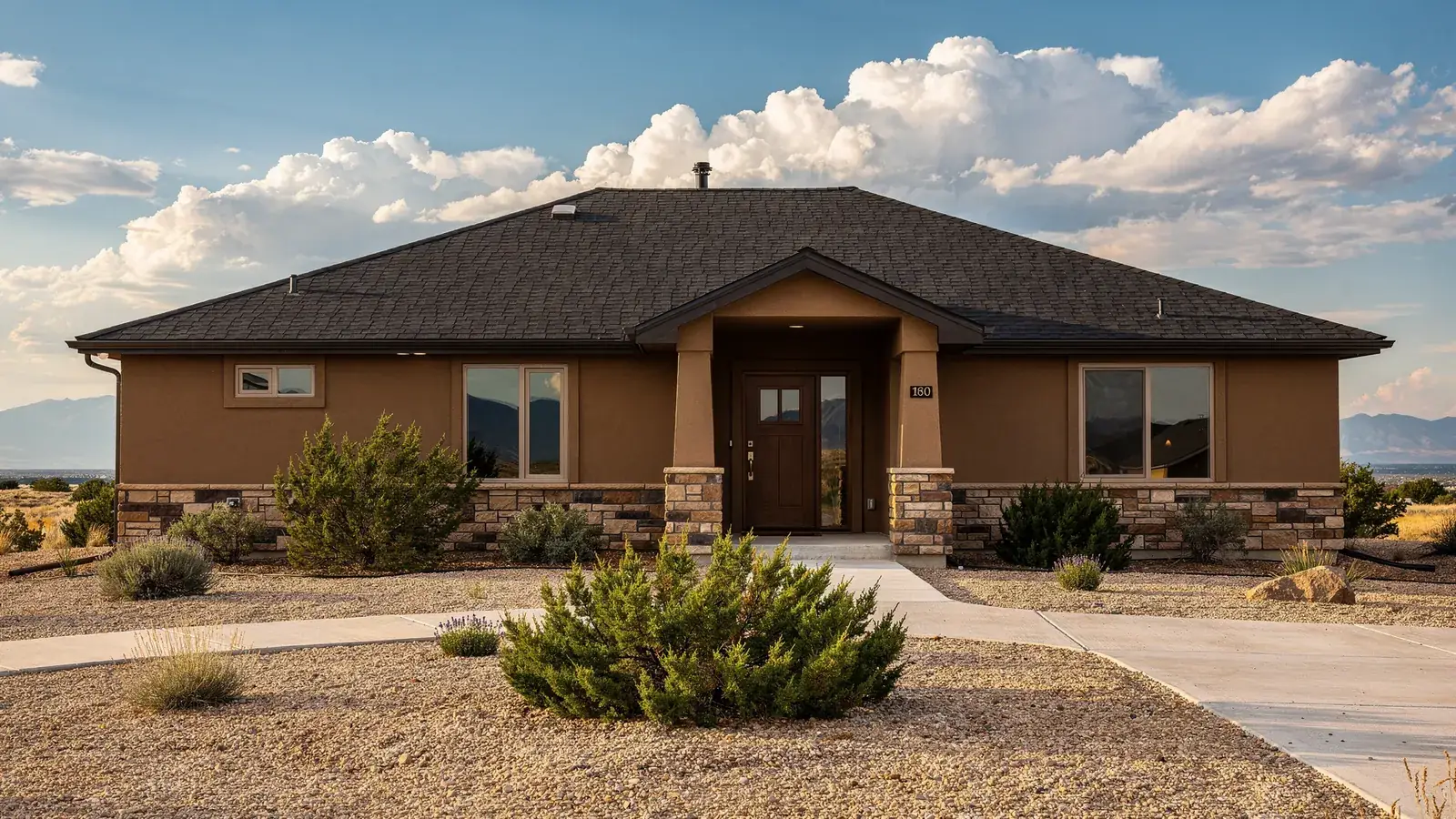
Roofing in Pueblo and the southern Front Range
This is hail country, and that single fact decides what roofs cost here, who turns up after a storm, and what the law lets them do with your claim.
- Colorado has a statute written specifically about roofing contracts
- Licensing here is municipal, so the check is a local one
- Real Pueblo cost ranges, not national averages
Hail country, up close
More damaging hail falls on this corridor than anywhere else in the country, and that one fact decides nearly everything about a roof here.
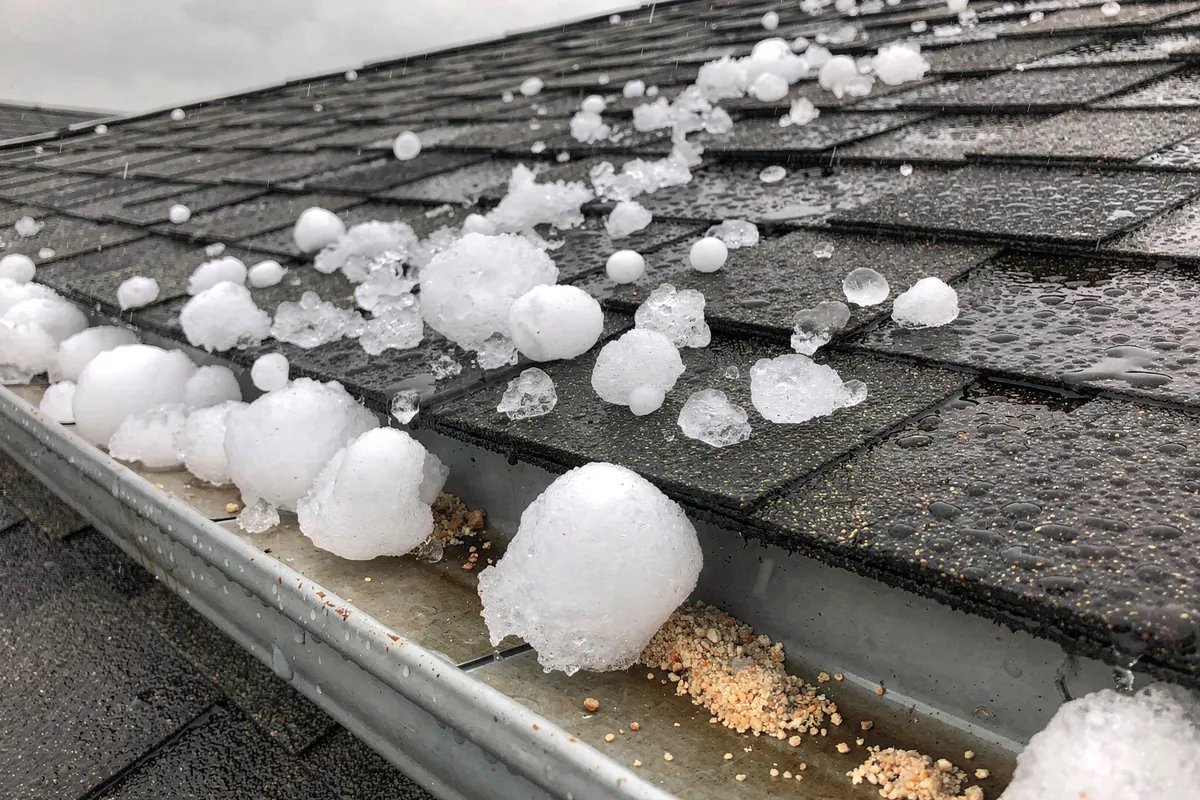
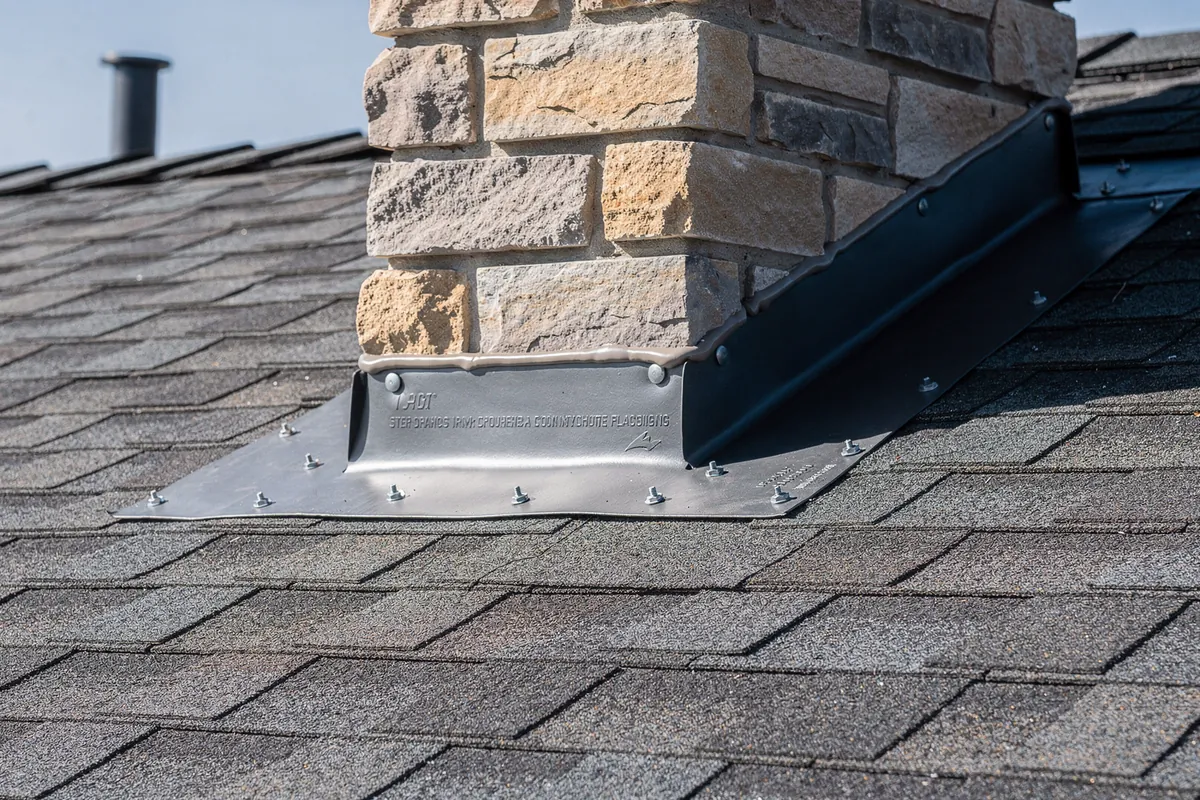
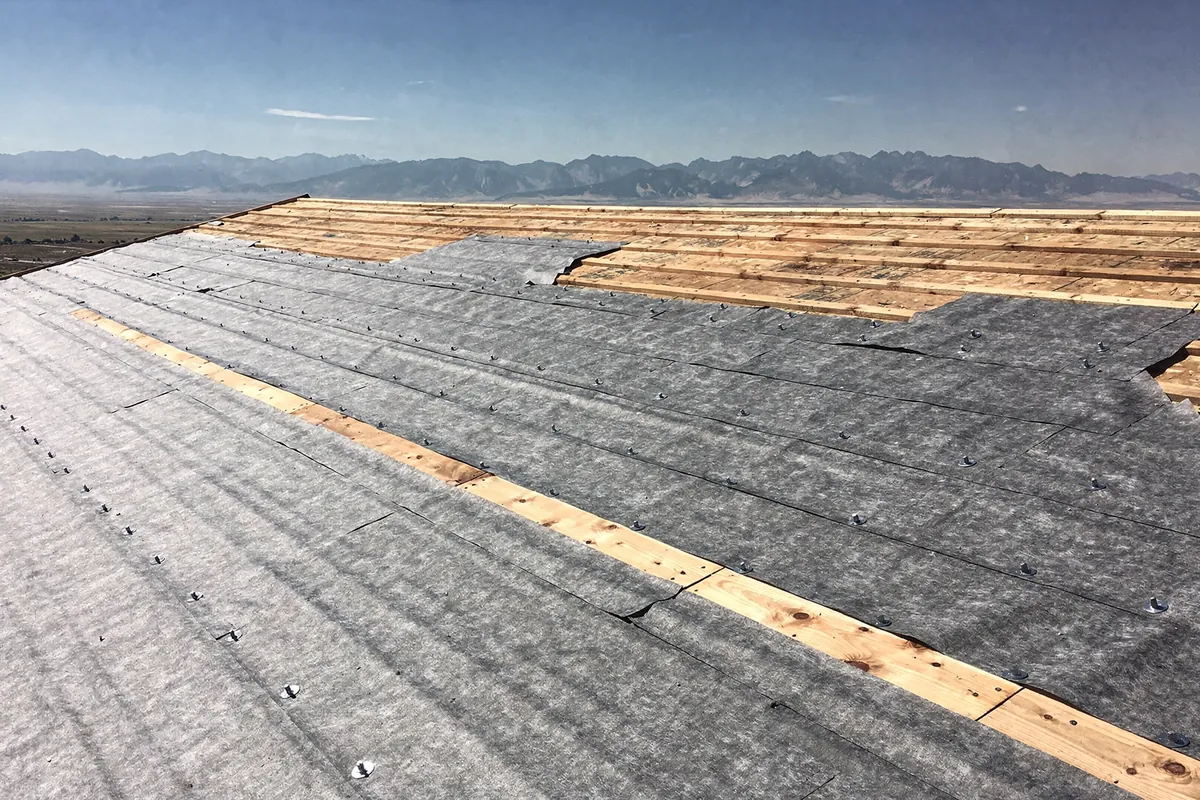
The stretch of Colorado, Wyoming and Nebraska that meteorologists call Hail Alley produces more damaging hail than anywhere else in the United States, and the southern Front Range sits squarely in it. Pueblo roofs are not usually replaced because they wore out. They are replaced because a storm cell decided it.
That shapes everything downstream. It is why most roofing work here is insurance work. It is why a serious storm brings crews from three states within days. And it is why Colorado, unlike most states, wrote a statute specifically about residential roofing contracts.
Two things that make Pueblo different from the rest of Colorado
The sun is stronger than you think. At about four and a half thousand feet, ultraviolet is meaningfully more intense than at sea level, and ultraviolet is what ages asphalt. A shingle rated for thirty years in a catalogue is working harder here than the catalogue assumed, and it is a reason not to buy the cheapest thing on the shelf.
It is genuinely dry. Which is good news: the algae streaking that ruins the look of roofs in humid states essentially does not happen here. The trade off is enormous daily temperature swings, which work every joint and fastener on the roof through expansion and contraction, year in and year out.
The rules that apply
Colorado does not license roofing contractors at state level. Licensing is done by cities and counties, so the check you need is a local one rather than a statewide lookup. That catches people out, particularly with out of town crews after a storm.
Colorado does have a residential roofing statute, and it is unusually specific. It governs what a contract must contain, gives you a right to cancel if your insurer denies the claim, and prohibits two things contractors are routinely offered the chance to do. It is all set out on the hail claims page, and it is worth ten minutes before you sign anything.
Who you reach when you call
The number on this page goes to an independent roofing company covering your town. They inspect, they price and they contract with you directly, and nobody from here will ever knock on your door after a storm.
Tell us what happened
Send the details and they go to one independent local roofing company. If a storm has just been through, say which day, because the date matters to a claim.
Rather talk it through? (719) 415-3226
What the calls are about
Around Pueblo County
Hail falls in narrow bands. It is entirely normal for Pueblo West to be hammered while central Pueblo sees nothing, and the following year to reverse.